



Chinese white glazed porcelain vase with colored cracks
It is a molded porcelain drum shaped Chinese porcelain vase with white glaze and colored cracks. The production period is from 1950 to 1960. White glaze and cracked glaze effects are common techniques in porcelain production. White glaze provides a smooth and reflective surface, while cracked glaze is a special decorative technique that creates unique textures and patterns by introducing tiny cracks into the glaze. Not only is it beautiful, but over time, porcelain with cracked glaze will gradually develop its own unique appearance. It is part of the William M. Lindgren Asian Art Collection, preserved in the archives of St. Cloud State University.
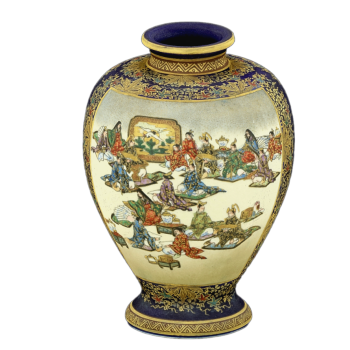
Japanese Satsuma burnt vase
Satsuma yaki is named after its place of origin, located in the Satsuma region of Kyushu Island, Japan (now Kagoshima Prefecture). This ceramic art form reached its peak in the late Edo period (1603-1868). Satsuma yaki is known for its exquisite cracked glaze (known as "Kintsugi") and complex handmade carvings. They are usually decorated with traditional Japanese patterns such as flowers, birds, landscapes, and figures. The production of Satsuma yaki involves multiple steps, including molding, carving, glazing, and firing. The carving technique is particularly delicate, often carving details on white or beige cracked glazes.

Popular Models
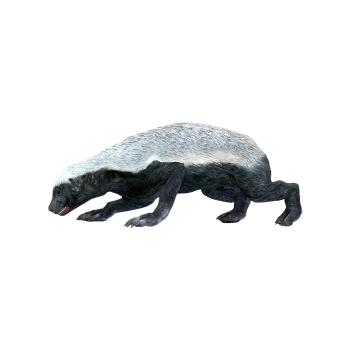
Honey Badger (3D animated model)
192 View
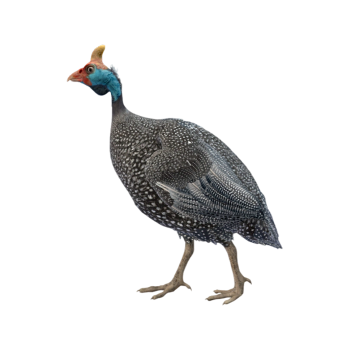
Guinea fowl (3D animated model)
163 View
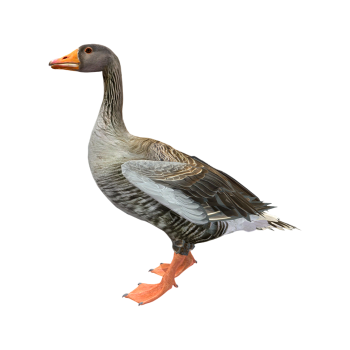
Wild Goose (3D animated model)
185 View

Red Fox (3D animated model)
153 View
Random Model


Building block toy
162 View

British DeHavilland Vampire fighter
785 View


Audi TT 8N 1998 sports car
756 View

Adidas Prophere Classic sneaker
690 View

Hummer (Puma)Running20 sneaker
681 View

Adidas Stan Smith Sneakers
752 View

Farini Town, Romagna, Emilia, Italy
577 View

Panasonic NV-GS5EN DV Camera
707 View